

Communication Dynamics
Communication naturally evolves based on how people are organized and expected to work together. In working groups, communication is largely transactional. Information is shared so individuals can complete their assigned tasks, and once that exchange happens, the work moves forward independently. This approach is efficient and effective when responsibilities are clear and interdependence is minimal.
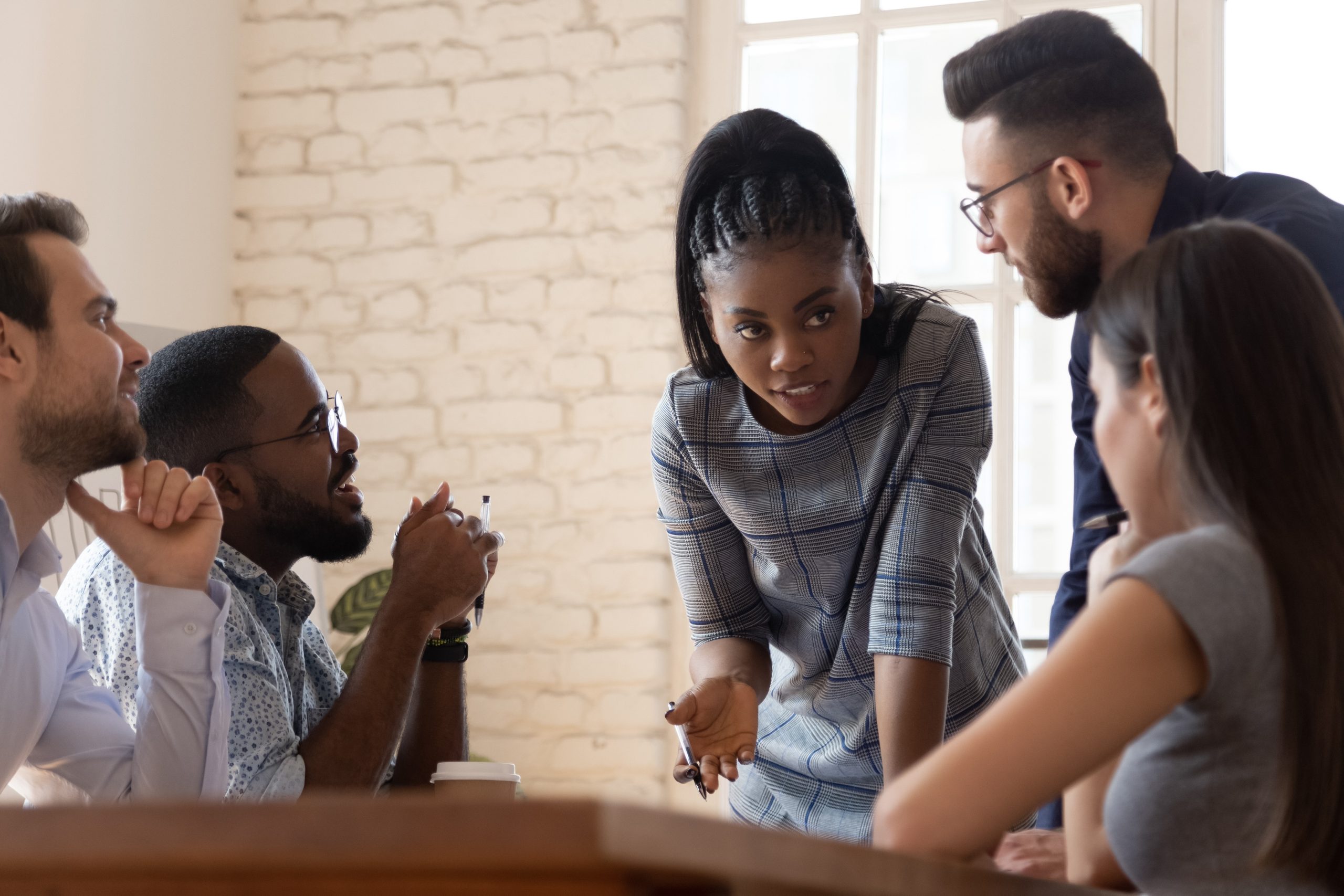
Teams, however, operate on a different level. Because members rely on one another to achieve shared outcomes, communication can’t be occasional or one-directional—it must be ongoing and collaborative. Teams need space for discussion, clarification and alignment, not just updates. Questions, ideas and concerns surface continuously, and dialogue becomes a core part of the work rather than a supporting function.
This sustained conversation enables deeper problem-solving and stronger performance. Feedback flows more naturally, support is offered in real time and challenges are addressed collectively rather than in isolation. By embedding communication into daily operations, teams are better equipped to handle complexity and move beyond basic execution toward higher-level results.
Learn more about our services and how we can help your executive team thrive.