What It Means To Be Pragmatic
November 17, 2022
Managing the Unexpected
December 2, 2022
[vc_row][vc_column][vc_column_text css=””]
The work habits your team brings with them don’t stay isolated at the individual level, but quietly shape how the entire organization operates day to day. Over time, these behaviors influence communication styles, decision-making, accountability and even how challenges are approached. Positive habits like preparation and collaboration strengthen culture naturally. Negative habits, however, can spread just as easily if they go unaddressed.
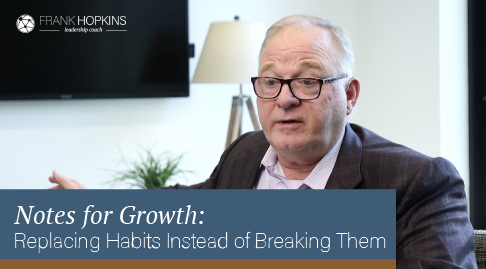
One of the biggest mistakes leaders make is trying to simply “break” bad habits through rules or reprimands. Habits don’t disappear because they’re discouraged; they disappear when something more effective takes their place. If an employee is reactive instead of proactive, disorganized instead of prepared or resistant to feedback, removing the behavior without offering an alternative leaves a vacuum, and old habits tend to rush back in.
Lasting cultural change happens when leaders intentionally model and reinforce better behaviors. Clear expectations and consistent processes help replace ineffective habits with productive ones. Over time, these new behaviors become the norm, shaping a culture that supports performance, accountability and growth. When habits are thoughtfully replaced rather than merely corrected, culture evolves in a way that is sustainable and aligned with the organization’s goals.
[/vc_column_text][/vc_column][/vc_row]